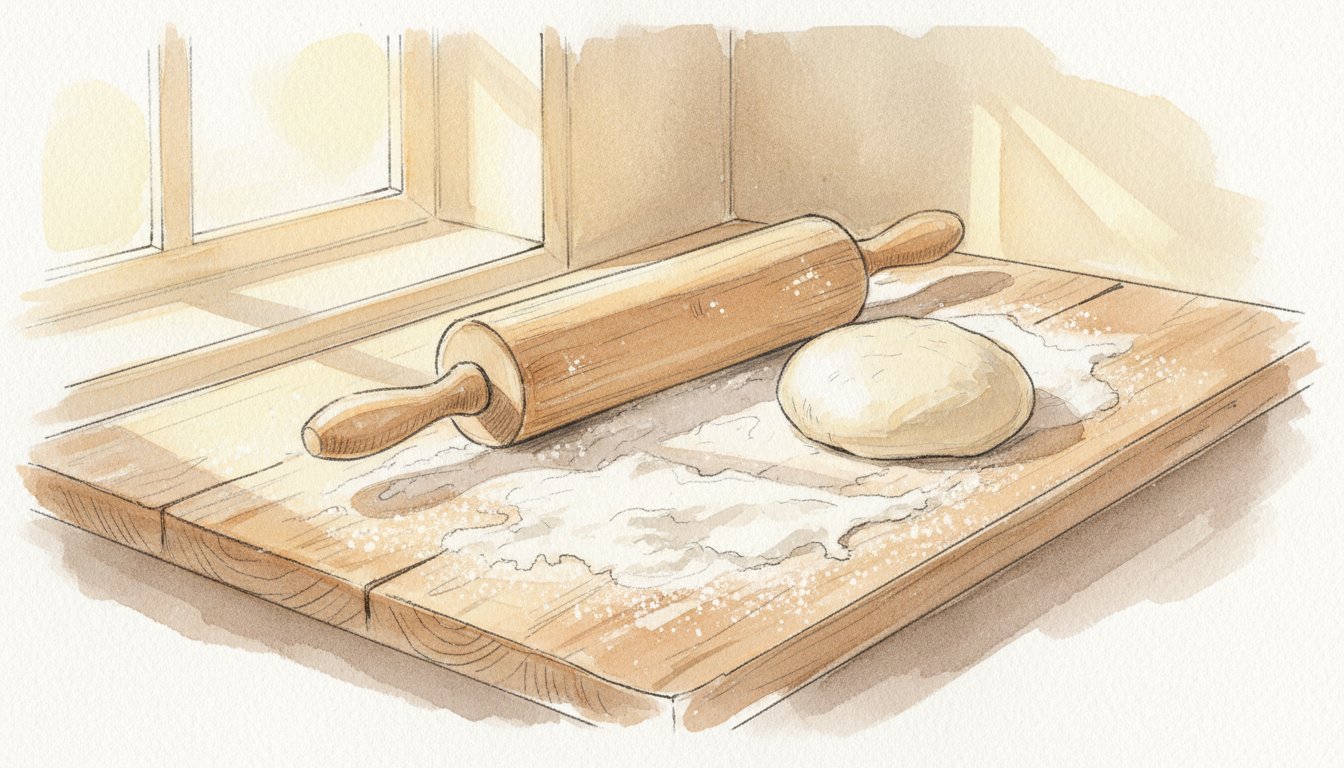
I learned to make pizza during the pandemic. Like many people stuck at home, I dove deep into the craft: perfecting dough recipes, experimenting with fermentation times, sourcing quality ingredients, and obsessing over oven temperatures. After months of practice, I was producing pizzas that impressed friends and family. "You could make money from this!" they said. "You should open a restaurant!"
Here's the thing: making one excellent pizza at home is a completely different beast than running a pizza restaurant. Even scaling up to make pizzas in bulk requires a different set of skills, different equipment, and a completely different operational mindset. You need to understand the market, evaluate competition, manage staff, handle regulations, maintain quality at scale, and address dozens of other challenges that have nothing to do with crafting a single perfect pizza.
This pizza paradox perfectly captures a problem I've encountered repeatedly in software development: the dangerous gap between a polished prototype and a production-ready system.
When prototypes look too good
During a recent product development cycle, our team built a prototype for a new feature that looked phenomenal. The user experience was polished, the interface was clean, and the demo flow worked flawlessly. In conversations with product managers and stakeholders, this sparked immediate excitement: "This looks production-ready! We can ship this! Customers are going to love it!"
But underneath that polished surface we were missing the rest of the iceberg. The prototype was optimized for demonstration, not operation. It worked perfectly for the happy path we'd designed, but it couldn't handle edge cases, error conditions, or the messy realities of production data. It had no monitoring, no error handling, no security considerations, and no scalability planning.
The disconnect creates a dangerous dynamic. Stakeholders see a compelling demo and assume the hard work is done. They start making commitments to customers, setting launch dates, and allocating resources based on the assumption that we're 80% finished when we're actually closer to 20%.
Don't get me wrong: prototypes serve a crucial purpose. They allow you to gather feedback quickly, validate assumptions, and demonstrate value without massive upfront investment. The ability to build something small that tests core hypotheses is incredibly valuable for product development.
But there's a common organizational problem where teams rush to aim for the gold standard without measuring the intermediate steps. Are we building something people actually want? Do they like how it works? Are we solving the right problem? Understanding the 'why' behind what you're building allows you to better plan for the larger challenges ahead.
The key is connecting technical work with broader business outcomes and market realities. You need metrics and measurements to validate assumptions. Most importantly, you need organizational buy-in that spans process, culture, and tooling working together to ensure actual adoption and sustainability.
Moving from prototype to production isn't just about adding missing features. It requires understanding the interconnected challenges: operational complexity, organizational capability, and market validation all working together. This often involves taking small steps rather than rushing toward the "disruptor" mentality.
In my experience, the most successful transitions happen when you build incrementally, manage risk systematically, and iterate quickly on real customer feedback. You want to validate usefulness before committing massive resources to something that nobody actually wants to use.
Managing the expectations gap
The initial excitement from a good prototype shouldn't blind us to thinking we can immediately run into production with it. There needs to be a more structured process that doesn't make "perfect" the enemy of "good," but does make adoption manageable for your team, stakeholders, business, and customers.
Here are the key considerations I've learned to address:
- Market validation beyond the demo: Is there actually a market for this? What need are you satisfying? Is your environment ready for this solution? Can someone do it better?
- Operational readiness: How do you handle errors, edge cases, and scale? What monitoring and alerting do you need? How do you deploy, rollback, and maintain the system?
- Organizational capability: Do you have the people, processes, and tools to support this in production? What training or hiring do you need? How does this fit into existing workflows?
- Resource planning: Beyond the initial development, what ongoing investment is required? What's the total cost of ownership? How do you staff and support this long-term?
The innovation reality check
Most innovation isn't the unicorn situation or the black swan event. It has historical, cultural, and economic factors that constrain what's possible. While we should encourage experimentation and risk-taking, we also need to evaluate how useful our innovations will be to customers and iterate quickly before committing massive resources.
The goal is to balance the excitement and momentum that come from successful prototypes with the pragmatic planning needed for sustainable delivery. You don't want to burn yourself or your organization out by overcommitting based on early demos.
When your next prototype generates excitement, here's how to channel that energy productively:
- Quantify the gap: Be explicit about what's needed to move from prototype to production. Create a realistic timeline and resource estimate that accounts for all the invisible work.
- Set intermediate milestones: Break the journey into measurable steps that validate assumptions along the way. Don't wait until launch to discover fundamental problems.
- Align stakeholder expectations: Help product managers and executives understand the difference between a compelling demo and a scalable system. Use concrete examples and analogies (like the pizza restaurant) to make this tangible.
- Build incrementally: Start with the smallest viable production deployment. Learn from real usage before scaling up. This approach reduces risk and provides faster feedback loops.
- Plan for operations: Consider monitoring, error handling, documentation, and support from the beginning. These aren't afterthoughts; they're core requirements for any production system.
The best prototypes create excitement and validate direction. The challenge is channeling that excitement into systematic execution rather than premature commitments. Just as learning to make great pizza doesn't qualify you to run a restaurant, building an impressive demo doesn't mean you're ready for production.
Innovation is rarely about the initial breakthrough. It's about the sustained effort to transform that breakthrough into something valuable, reliable, and scalable. That transformation requires different skills, different processes, and different organizational capabilities than the original prototype. When stakeholders get excited about your next demo, take it as validation that you're solving the right problem. Then use that momentum to build the organizational commitment needed to solve it properly. Because the difference between a great prototype and a great product isn't just technical, it's operational, cultural, and strategic.
There's nothing wrong with making excellent pizza at home. Just don't open a restaurant unless you're ready for everything that comes with it.